Just a few weeks ago, the Education Law Center (ELC) released its annual “Making the Grade” report. As it stands, North Carolina, in addition to being the only state yet to establish a budget for the upcoming year, ranks dead last in the U.S. for financing, taking its reputation to the bottom along with it. NC’s educational system received failing grades in two of the three assessed categories: funding level and funding effort, and according to the report, NC spends approximately $5,660 less per pupil than the national average, and both students and teachers can feel its effects.
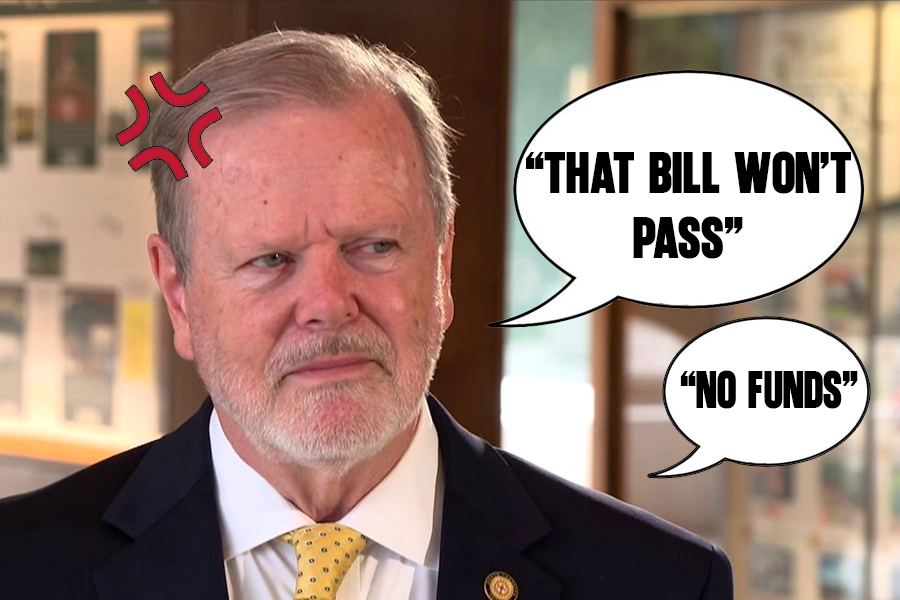
Secretary of State Elaine Marshall reports that her staff, who oversee public education, are the second-lowest-paid employees in the NC state government, and are extremely understaffed as a result. In addition, North Carolina ranks 43rd for teacher salary, as teachers are paid approximately $13,700 less than the national average, while business and technological industries prosper in their disregard. Deep disagreement between the House and Senate on key issues, such as income tax cuts (which also reduce state revenue) and teacher/state worker raises, has stalled the passing of the 2026 budget; the Senate vying for larger cuts than the House is willing to agree to. Since both groups have failed to negotiate on a full plan, they have implemented just a few “mini budgets” to “compensate,” and at this point, the General Assembly is not set to reconsider the budget until April.
Procrastination seems to be a root issue, as the same funding lawsuit filed in 1994, Leandro v. The State of North Carolina, still stands unresolved to this day and is being revisited due to the current budgeting dilemma.
“North Carolina’s failing grades reflect years of deliberate neglect,” said NCAE President Tamika Walker Kelly. “Lawmakers have refused to fully fund our public schools, denied educators meaningful raises, and the Supreme Court has allowed Leandro to languish. Our children cannot afford this continued failure of leadership.”
The case, meant to provide a “sound basic education” as guaranteed by the NC Constitution, is significantly impacting the passing of the budget bill by calling for additional funding to ensure equitable funding, resources and quality teachers that legislators are not willing to pay. The controversy lies in the fact that the revenue lost yearly to state income tax cuts could fully fund the Leandro Plan, and it would take reversing tax cuts for the rich and/or cutting other programs to fulfill, sparking debate. Since lawmakers are committed to said tax cuts, which only really benefit corporations and the wealthy minority, it seems unlikely that they will surrender to necessary schooling funds.
As long as this cycle of inaction continues to delay the system, there is no definite next step for North Carolina’s school system.