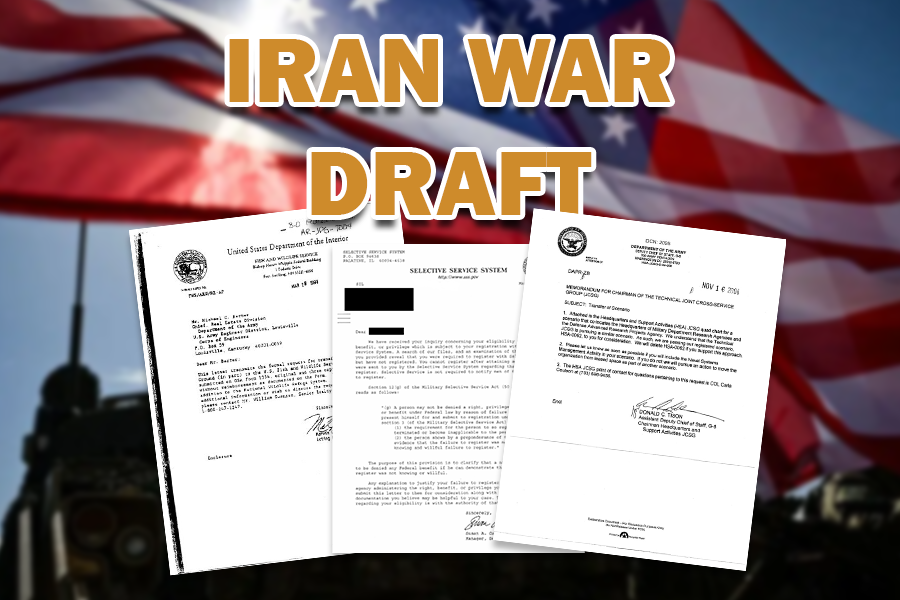
As the Iran War continues and seemingly worsens, rumors surrounding a potential military draft circulate, especially among young adults fearful they may have turned 18 at just the wrong time. In a March interview with Fox News, White House Press Secretary Karoline Leavitt refused to disavow the possibility of a draft, stating that though it is not in the current plan, “the president… wisely keeps his options on the table.” The 2026 National Defense Authorization Act (NDAA) has also authorized automatic Selective Service registration, so starting this upcoming December, eligible men (18-25) will be automatically registered in the system using federal data sources, which would include many of our own peers and classmates, whether they are ready or not.
Initiated in late February with a joint U.S.-Israeli military effort against Iran’s nuclear sites, the Iran War’s unpredictable nature has since caused an overwhelming state of paranoia and apprehension regarding a draft. After the first firing round took out Supreme Leader Ali Khamenei, the heart of the Iranian government, retaliatory drone and missile strikes from Iran targeted Israel and U.S.-allied regions, resulting in full-blown aerial warfare. A new U.S. plan, “Operation Epic Fury,” is being put into action and aims to reopen the Strait of Hormuz while dismantling Iran’s nuclear program and development through a 15-point proposal for a 45-day ceasefire. While this all sounds good and well, if Iran fails to comply, the war will expectedly worsen and prolong.
One problem with a potential draft is the lack of patriotism that follows forced servitude.
“For the armed services, it would bring back an issue that has not been a problem since the 1970’s: people in ranks who do not want to be there. One of the primary reasons our military went to an all-volunteer force is because people perform better when they want to be there. For example, school districts with ‘school of choice’ options tend to have better attendance and higher test scores because the students WANT to be at the school they are at,” First Sergeant Robert Stewart said.
Moreover, the U.S. military would be filled with less-experienced soldiers, weakening the quality and competence of our army.
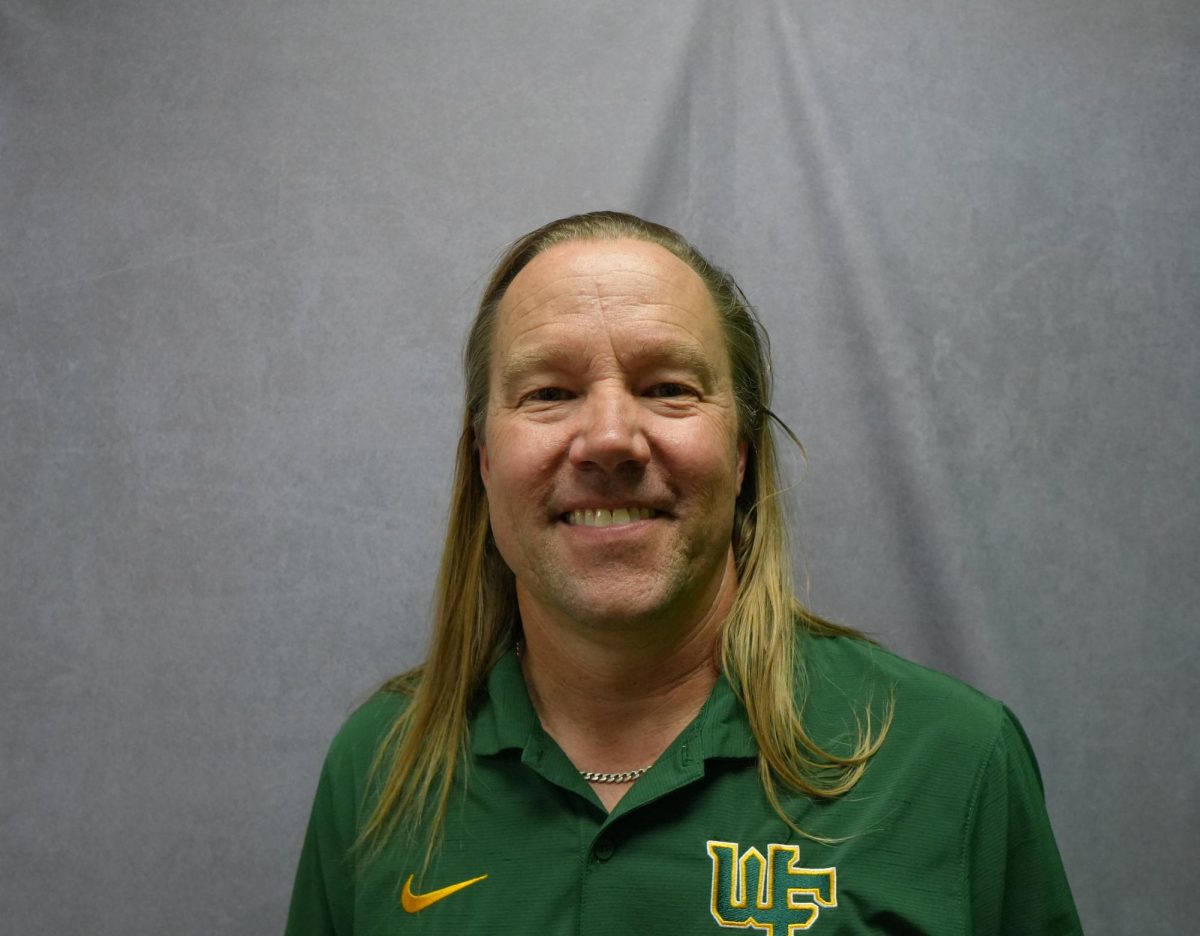
“Morale would plummet in the military. Our contemporary all-volunteer force is the most educated, best equipped, best trained, and most lethal fighting force the world has ever known. Introducing a pool of people who don’t even want to be there would reduce the capabilities of every unit in that force,” JROTC teacher Major Sugg said.
The draft has also brought up questions about democracy’s role in war and conscription.
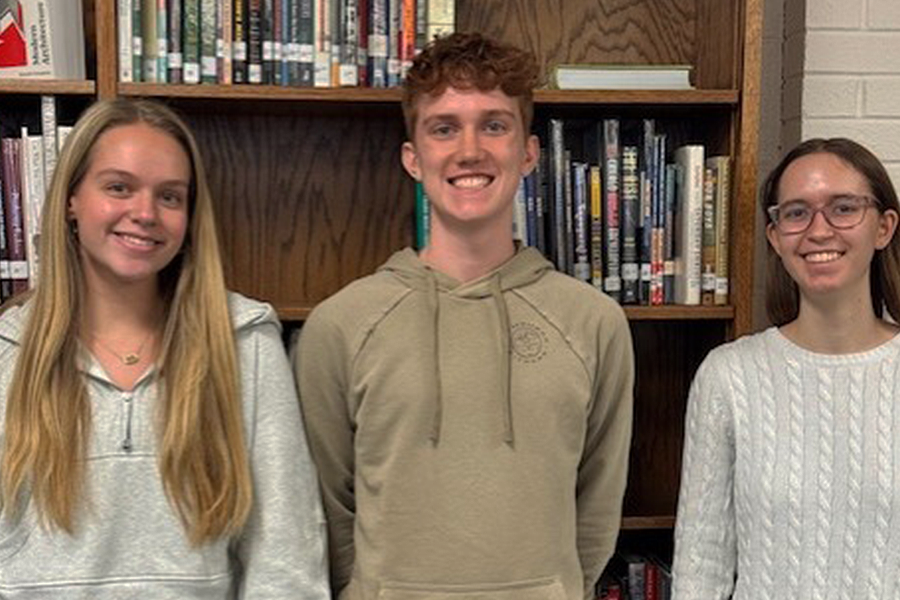
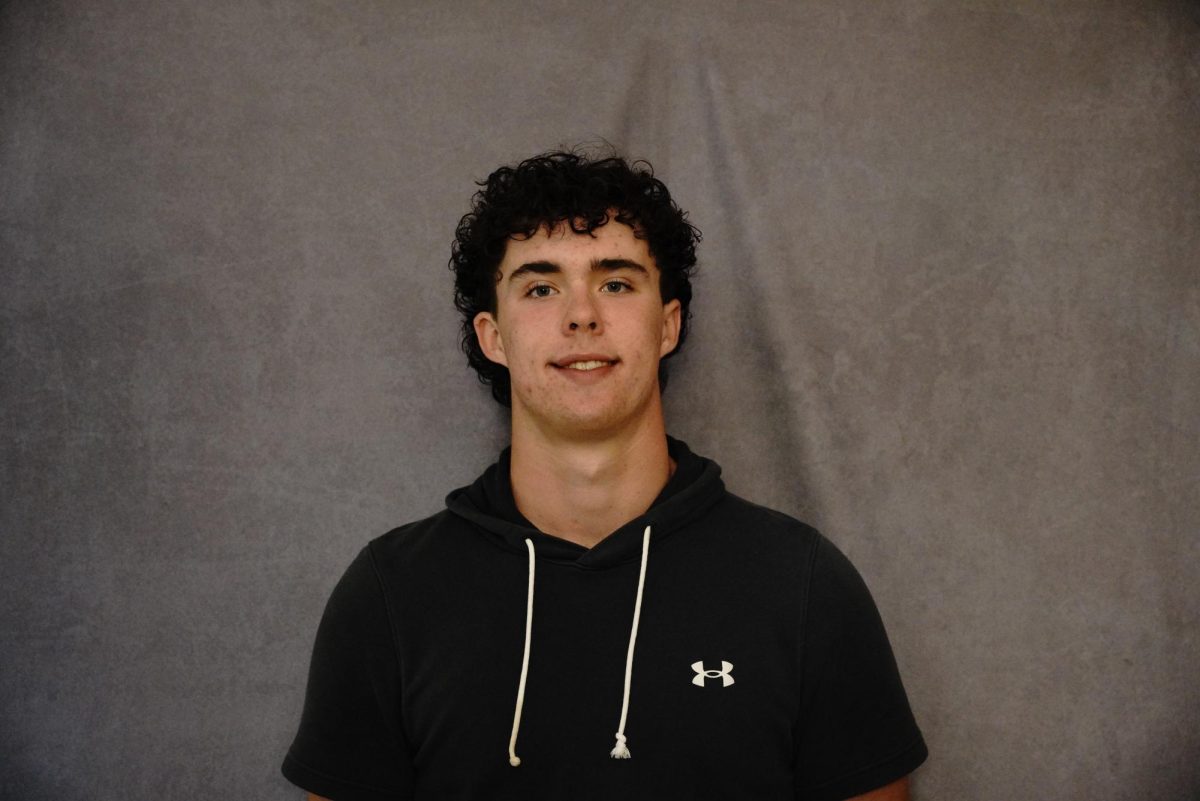
“We’re kind of in a weird state of intimidation and fear factor stuff,” senior Ty Owen said.
And as expected, not very many citizens are thrilled at the prospect of going to war, especially not young adults fresh out of high school with their whole lives ahead of them.
“I wouldn’t go because I would put my life on the line. You know, I just got too much to live for,” senior Dorian Harris-Rivers said.
Morally just or not, the decision is ultimately not up to us, but to President Trump and Congress behind him. While the possibility of war and serving in it is overwhelming, the best we can do is prepare for the worst and hope for the best.